Discover the Extensive Services Offered by Commercial General Contractors in the Construction Field.
CGCs are fundamental in the construction industry, delivering a suite of services that handle all phases of a project. Their expertise spans from initial design and planning to efficient project oversight and compliance with safety regulations. Hickory top rated Commercial General Contractor. By coordinating various subcontractors and guaranteeing quality standards, they strive to satisfy both budgetary constraints and schedules. This comprehensive method brings up key points about the effect of their methods on project success and customer happiness
Grasping the Importance of General Building Contractors
Even though the construction field covers a range of positions, commercial general contractors (CGCs) play a key role in supervising and directing construction projects. Their responsibility is to guarantee that projects comply with design specs, budgets, and deadlines. General contractors organize subcontractors, like carpenters, plumbers, and electricians, to make sure that all aspects of the construction process run smoothly.
Additionally, they are tasked with getting the necessary licenses and ensuring adherence to local regulations and building codes. This function necessitates a strong grasp of construction practices, as well as effective leadership and communication skills. General contractors are the chief liaison for clients, resolving problems and sharing status reports throughout the project’s duration. Their ability to navigate challenges while upholding quality benchmarks is vital to the successful completion of commercial construction endeavors, ultimately contributing to the effectiveness and performance of the industry as a whole.
Project Management and Coordination

Coordination and project oversight are key factors for the project success supervised by commercial general contractors. Strong communication methods, methods for resource distribution, and schedule control methods are fundamentally important in making sure projects are delivered on time and within financial limits - Hickory top rated Commercial General Contractor. By mastering these elements, contractors can foster cooperation among stakeholders and optimize project outcomes
Key Communication Practices
Efficient communication methods are critically important in the success of construction projects, as they guarantee that all stakeholders are aligned and informed throughout the process. Clear channels of communication foster collaboration among architects, engineers, subcontractors, and clients, guaranteeing all parties know project requirements and timelines. Consistent meetings and progress reports help identify potential issues early, enabling quick fixes. Employing contemporary communication methods, such as project management software and mobile applications, boosts data dissemination and keeps everyone connected. Furthermore, creating an environment of candid discussion motivates suggestions and increases clarity, which often results in better choices. Ultimately, effective communication strategies result in more seamless project completion and greater contentment among stakeholders in the construction industry.
Resource Assignment Practices
Resource distribution strategies are vital for achieving successful project implementation, making certain materials, manpower, and gear are used effectively. Successful resource management necessitates assessing project needs and fitting them to the current supply of resources, which contributes to lowering waste and enhancing performance. Building contractors utilize several approaches, for example, ordering tasks by criticality and asset readiness, to allocate resources effectively. In addition, implementing technology to track asset utilization can enhance decision-making and adaptability. Routine assessments of resource distribution assist in recognizing forthcoming obstacles and opportunities for enhancement, facilitating prompt modifications. By utilizing these strategies, construction firms can preserve project velocity, manage expenses, and finally meet project objectives according to the defined limits.
Methods for Schedule Control
Handling project durations requires precise planning and organization to confirm that each part of the job moves ahead easily. Commercial general contractors utilize various timeline management practices to improve effectiveness and ensure projects finish on time. These methods involve creating comprehensive timelines, employing PM tools, and conducting regular progress assessments. Via determining unambiguous deadlines and markers, GPs can capably watch advancements and tackle forthcoming delays rapidly. Additionally, they establish communication protocols among subcontractors, suppliers, and stakeholders to ease communication movement and avoid misunderstandings. Anticipatory risk mitigation techniques additionally assist in sticking to the timeline, enabling modifications when faced with unexpected issues. Crucially, efficient time management is fundamental for accomplishing project aims and maintaining client satisfaction in the competitive construction industry.
Services for Design and Preparation
Design and pre-construction services are vital elements of the construction process, with a focus on efficient concept development approaches. These strategies help guarantee that the project's vision read this article matches the practical implementation, while architectural coordination processes promote seamless teamwork among stakeholders. By prioritizing these elements, commercial general contractors can boost project success and efficiency.
Concept Development Methods
While a project's success often copyrights on its initial vision, successful concept development approaches are crucial for transforming ideas into actionable plans. These approaches utilize a systematic approach including comprehensive research, involving stakeholders, and feasibility assessments. By working closely with clients and stakeholders, commercial general contractors can pinpoint project objectives and constraints in the initial stages. This collaboration fosters innovation while ensuring alignment with budgetary constraints and regulatory needs. In addition, prototypes and visualizations can be used to refine concepts, allowing for adjustments before significant investments are made. Ultimately, well-executed concept development strategies do more than just streamline the transition from vision to reality but also mitigate potential challenges, setting the stage for a successful construction project.
Architectural Coordination Processes
Successful architectural coordination efforts are vital to the successful execution of construction projects. Such processes demand meticulous collaboration among architects, engineers, and contractors to ensure that design goals are correctly translated into tangible structures. Commercial general contractors are instrumental in improving communication and aligning project goals. Contractors manage the incorporation of various design elements, resolving potential conflicts during the initial planning stages. Such a proactive method reduces costly delays and rework, fostering a smoother workflow. Additionally, robust architectural coordination ensures compliance with local regulations and building codes, improving project viability. Through streamlining design changes and maximizing resource use, these processes ultimately contribute to the overall efficiency and quality of construction outcomes, providing projects that satisfy client expectations and standards.
Budget Management and Financial Control
Financial control and budgeting are essential elements of successful construction projects, ensuring that resources are allocated efficiently and expenditures remain within established limits. General contractors play an essential role in this aspect by carefully crafting financial plans that cover the complete breadth of the project, accounting for materials, workforce, and potential issues. Their skill set facilitates precise prediction, which is key to preventing budget excesses and securing economic success.
In addition, general contractors implement rigorous financial monitoring throughout the project lifecycle. They track spending against the budget, modifying resource distribution when needed to handle shifts in the project's requirements or unexpected expenses. This proactive management protects the fiscal well-being of the project but also encourages clear reporting with stakeholders regarding budgetary status. By providing thorough reports and regular updates, general contractors guarantee that all parties remain informed, thus building confidence and partnership throughout the construction process.
Ensuring Quality and Adhering to Safety Standards
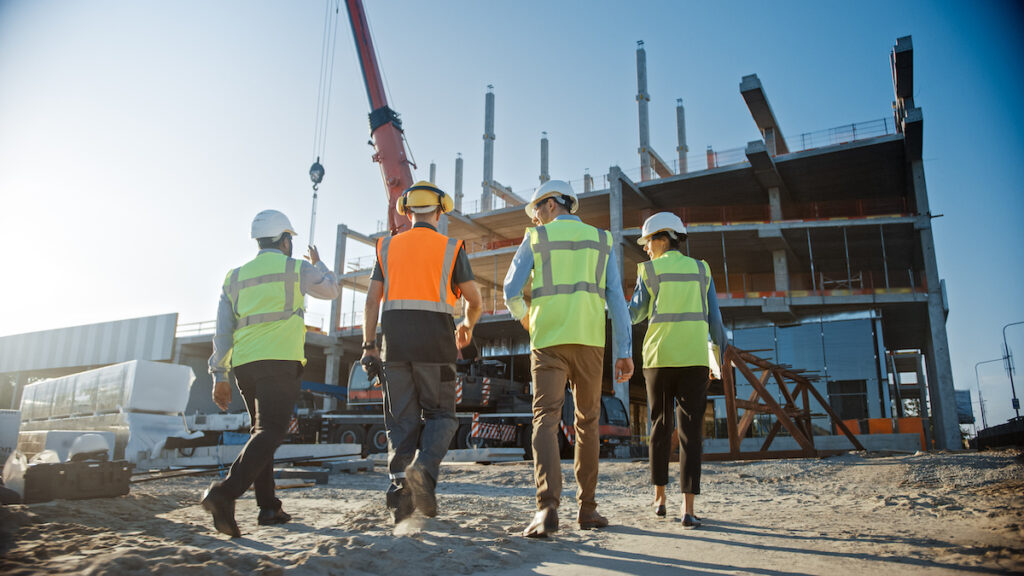
Maintaining high quality and ensuring safety are paramount in the construction industry, guaranteeing projects satisfy required specifications while safeguarding the welfare and safety of all workers involved. These construction managers enforce rigorous quality control measures by carrying out frequent site reviews, checking construction components, and ensuring standards are met. These practices help identify potential issues early, cutting down on costly fixes and setbacks.
Safety compliance is equally critical; contractors follow OSHA guidelines and standard industry procedures to maintain a protected workplace. This encompasses supplying necessary education, personal protective equipment, and upholding transparent reporting regarding safety protocols.
Post-Construction Services and Support
Upon project finalization, commercial general contractors offer necessary follow-up services and assistance to ensure the project still satisfies client requirements. These services often include thorough inspections to confirm adherence to requirements and local regulations. The general contractor often handles warranty administration, addressing any issues that arise after the project handover.
Furthermore, maintenance support is provided, aiding clients in preserving the structure to extend its useful life and ensure full operation. Instructional classes for personnel regarding systems and machinery may also be included to boost day-to-day effectiveness.
Furthermore, contractors frequently assist with project closeout documentation, guaranteeing all pertinent records are structured and ready for consultation. This sustained help establishes a lasting relationship between contractors and clients, promoting confidence and contentment while encouraging responsibility in the construction process. In general, after-build services are crucial in the project's lasting triumph.
Commonly Asked Questions
What Categories of Work Do General Contractors Generally Oversee?
Commercial general contractors typically handle a diverse range of developments, like corporate facilities, commercial outlets, manufacturing plants, medical facilities, educational institutions, and residential complexes, ensuring that each project meets professional criteria and client specifications effectively.
How Do I Choose the Ideal General Contractor for My Development?
For selecting the best construction manager, one should evaluate their background, ask for testimonials, assess their financial stability, look at completed jobs, and ensure transparent dialogue concerning deadlines and financial plans for efficient oversight.
What Difficulties Faced During Construction Projects?
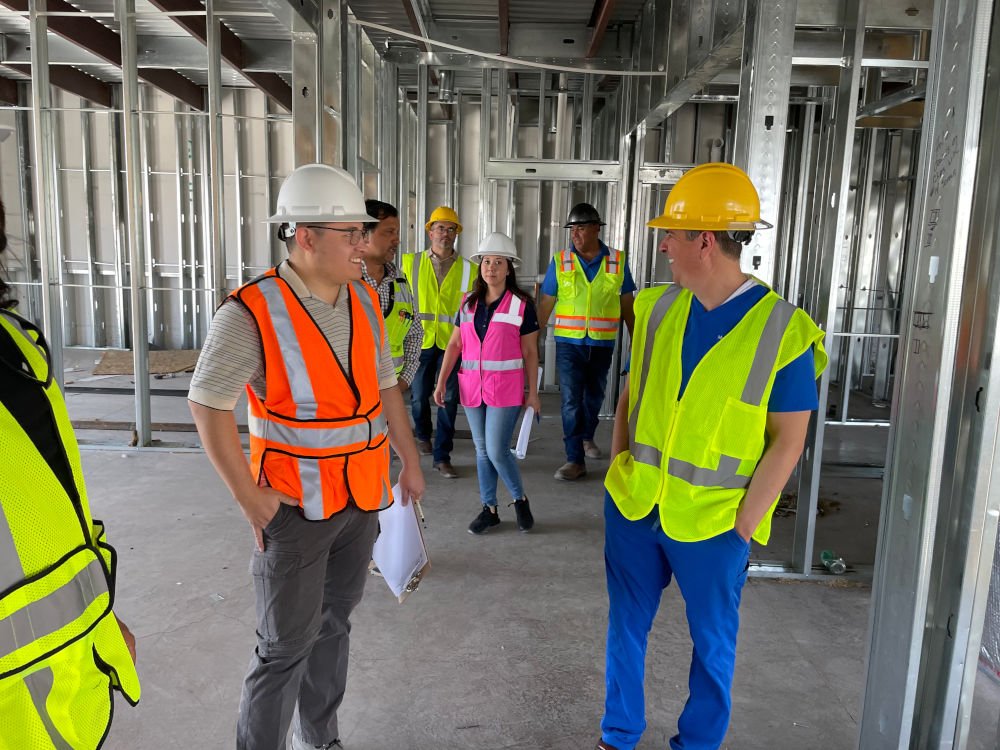
Typical difficulties that arise during development include budget overruns, missed deadlines, labor shortages, meeting legal requirements, surprising subsurface problems, and breakdowns in dialogue between involved parties. These challenges typically impede the building process and can lead to higher expenses and timelines.
How Do Firms Maintain Conformity To Regional Construction Regulations?
Firms maintain conformity to area safety standards by meticulously examining the statutes, conducting regular inspections, working closely with municipal bodies, and keeping meticulous records from start to finish to mitigate risks and adhere to safety standards.
What Coverage or Safeguards Do Builders Typically Offer Following Handover?
Contractors typically provide guarantees covering workmanship and materials, lasting from one to ten years. These assurances frequently cover fixing flaws, ensuring clients receive verified quality and security post-project completion.